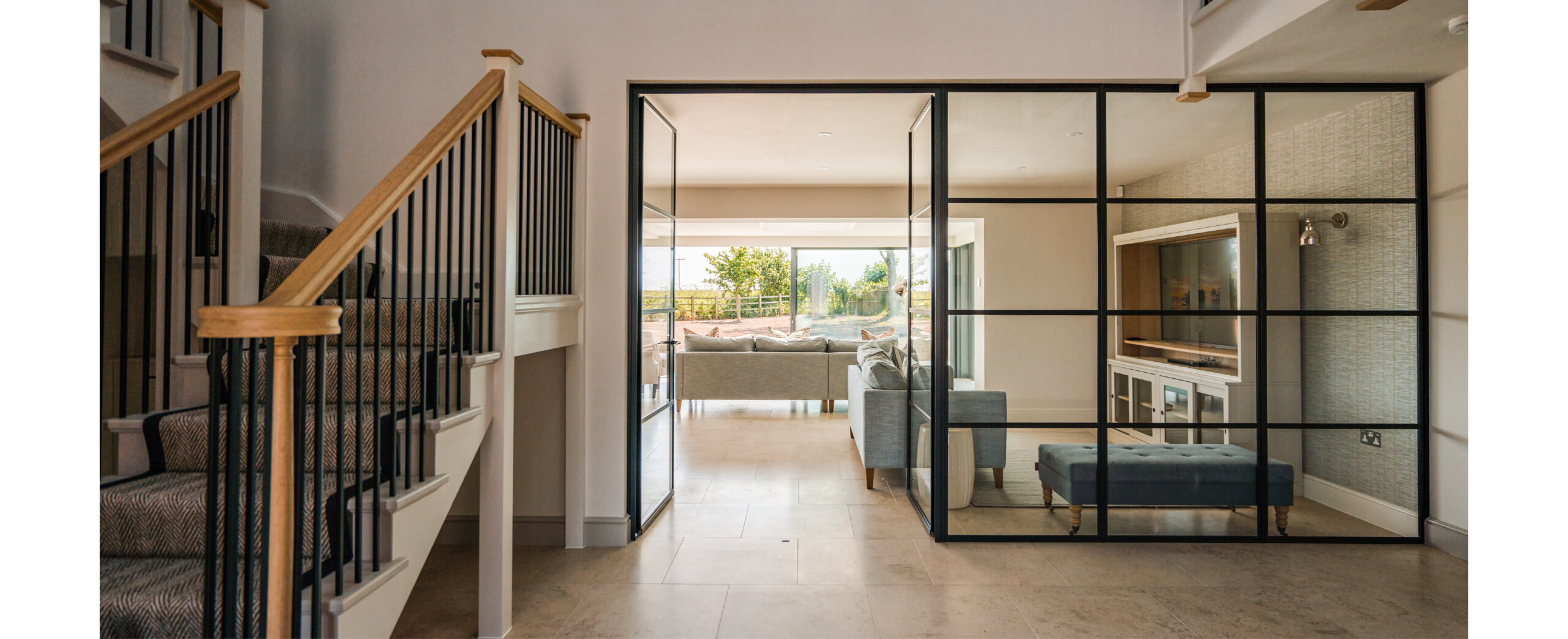

From Brief to Build: How We Customise Residential Developments for Unique Sites
If you’re planning a home on a challenging, sensitive, or highly constrained site, choosing the right architect is critical. Whether your plot sits within open countryside, a conservation area, or involves a site with historical significance, complex locations demand a bespoke, site‑specific architectural approach rather than a standard solution.
At Williams Lester Architects, we specialise in custom residential architecture for unique and sensitive sites, combining careful site analysis, planning expertise, and contextual design. From navigating conservation and heritage constraints to responding to landscape, scale, and setting, we create homes that feel considered, compliant, and entirely in harmony within their surroundings.
From the initial brief through to the completed build, our process ensures every bespoke house design responds intelligently to its site, planning context, and the way our clients want to live.
Site Analysis for Custom Residential Architecture
Our process begins with gaining a full understanding of the site. Before any design work starts, we assess a range of factors that influence what can and should be built.
This includes:
- Physical constraints such as topography, access, and orientation
- Planning designations, including conservation areas and heritage listings
- Surrounding architecture and local character
- Environmental considerations (such as aspect and orientation) and landscape features
This initial assessment ensures we achieve site-specific architecture and, instead of working against constraints, we use them to influence creative, responsive design.
Understanding the Client Brief for Bespoke Home Design
Alongside site analysis, we take time to fully understand our client’s vision. Everyone has their own priorities, whether that’s maximising natural light, creating flexible family spaces, or achieving a particular aesthetic. These priorities are best identified through meeting our clients to discuss their aspirations. We will also seek to understand our client’s budget, as we also recognise the importance of commercial awareness.
We turn your vision into a design that works with the site. This often involves tailoring and adapting the brief, ensuring it meets planning policies and practical considerations without losing what you want to achieve, resulting in bespoke home design that’s achievable, creative and affordable.
Heritage and Conservation Area Residential Architecture
Working within sensitive or historic settings requires a considered, informed and experienced approach. As specialists in heritage-sensitive architecture, we understand the importance of preserving character while enabling homes to adapt to modern living.
In conservation areas or close to listed buildings, design decisions must respond to the heritage context. This is where our expertise in conservation area house design and architecture for conservation areas becomes invaluable.
We consider elements such as:
- Setting
- Scale and proportion
- Material selection and detailing
- Relationship to neighbouring properties
- Visual impact
Rather than staying in the past, we create designs that complement and enhance their surroundings through balancing traditional and contemporary elements.
Navigating Planning Constraints for Residential Developments
Navigating planning constraints is one of the most complicated parts of residential development. Each site comes with its own set of rules, restrictions, and expectations, particularly in designated or heritage locations.
Our experience in delivering residential planning solutions in constrained environments means we can approach these challenges with confidence. We do this by proactively engaging with local authorities, ensuring proposals are well-informed, policy-compliant, and justified.
By addressing potential concerns early in the process, we help to streamline approvals and reduce the risk of delays.
Adaptive Design Solutions for Heritage Properties
Projects often involve working with existing structures rather than starting from scratch. This requires a careful approach to adaptive design for heritage properties. Whether it’s extending a period home or converting a historic building, we focus on preserving key features while enhancing functionality.
This might involve:
- Retaining and restoring original architectural details
- Introducing contemporary additions
- Improving energy efficiency
- Changing layouts to suit modern lifestyles
From Concept to Construction: Delivering Bespoke Residential Homes
As designs develop, we move from concept to construction. Once we have secured planning and/or Listed Building Consent, we will progress to the technical design stages, which involve obtaining Building Regulations approval and the preparation of Construction drawings. Our involvement continues throughout the build phase, working closely with contractors and consultants to maintain design integrity and quality. This ensures original vision becomes reality in the way you imagined.
For custom residential developments, this continuity is extremely important, as it provides reassurance that the ‘end result’ will reflect the design intent and the unique qualities of the site.
Creating Bespoke Homes That Respond to Their Setting
From the initial brief to the completed build, our approach blends collaboration, precision, and respect. Whether working within a conservation area, adapting a historic structure, or developing a new site, we’re committed to delivering excellent outcomes.
For clients seeking bespoke home design, Williams Lester Architects offers the expertise and insight to transform even the most complex sites into exceptional homes. Contact us today to discover how we can assist with your custom residential development.
Custom Residential Architecture FAQs
How do you approach designing homes on complex or sensitive sites?
We begin with a detailed site analysis, assessing planning designations, heritage constraints, surrounding context, and environmental factors. This informs a bespoke architectural response that works with the site rather than against it, ensuring the final design is compliant, well‑considered, and visually appropriate.
Do you specialise in conservation area and heritage home design?
Yes. We have extensive experience designing homes within conservation areas and near listed buildings. Our approach balances respect for historic character with contemporary living requirements, ensuring new or adapted homes enhance their setting while meeting modern planning and lifestyle needs.
Can you help navigate planning constraints and approvals?
Absolutely. Many of our projects involve complex planning constraints. We proactively engage with local planning authorities, shape proposals around policy requirements, and address potential concerns early, helping to streamline the approval process and reduce uncertainty or delays.
Do you work with existing buildings as well as new homes?
Yes. We design both new‑build homes and adaptations to existing properties. This includes extensions, conversions, and alterations to heritage or period buildings, where preserving key architectural features while improving functionality and energy performance is essential.
What makes a bespoke residential design different from a standard house design?
A bespoke residential design is tailored entirely to the site, planning context, and client brief. Unlike standard designs, it responds to constraints such as access, topography, heritage considerations, and local character, resulting in a home that is unique, practical, and contextually appropriate.
At what stage should I involve an architect for a complex site?
It’s best to involve an architect early, ideally before purchasing a site or submitting any planning applications. Early input helps identify constraints, assess viability, and shape a realistic brief, which can save time, reduce risk, and improve overall outcomes.
Can you design contemporary homes in traditional or rural settings?
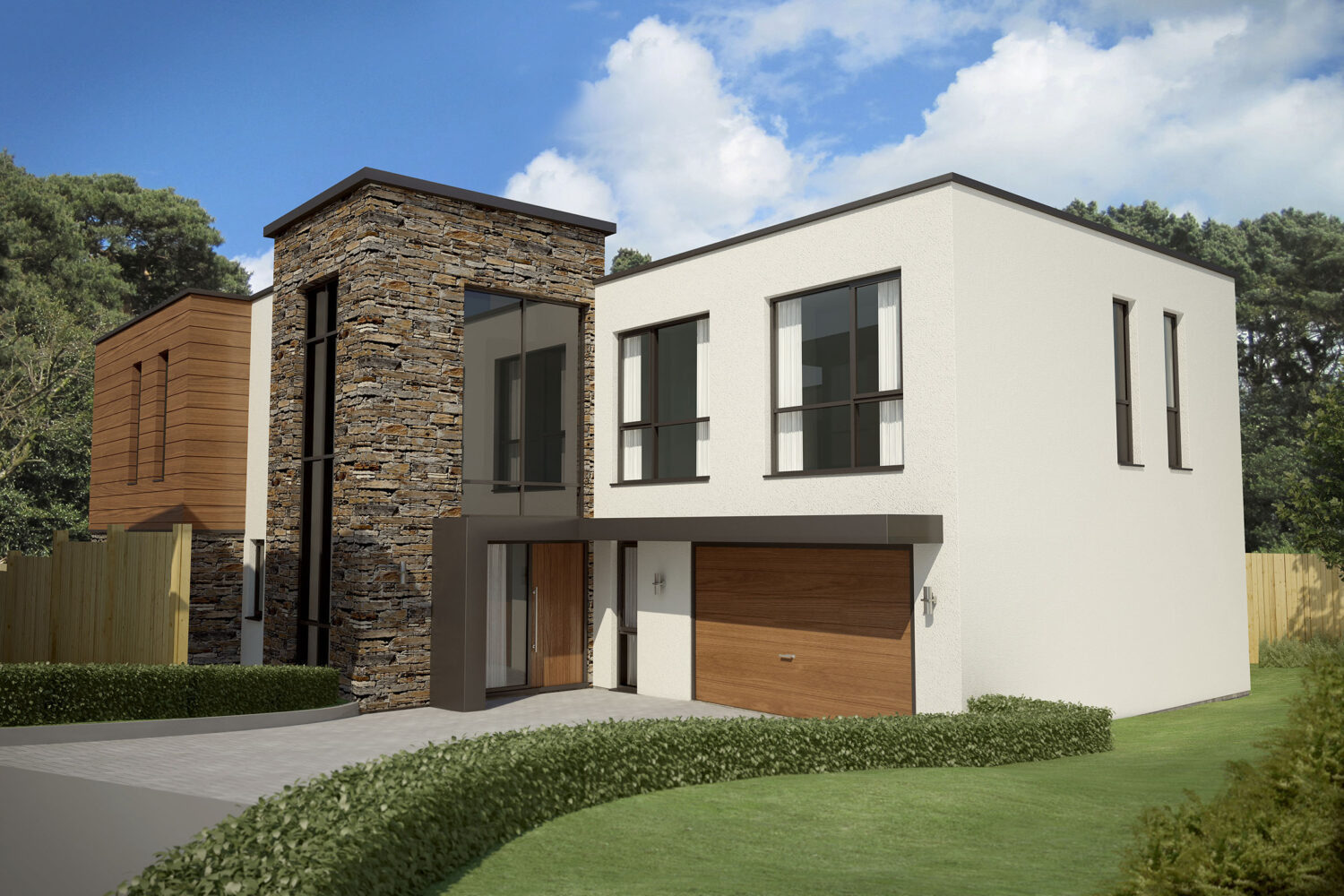
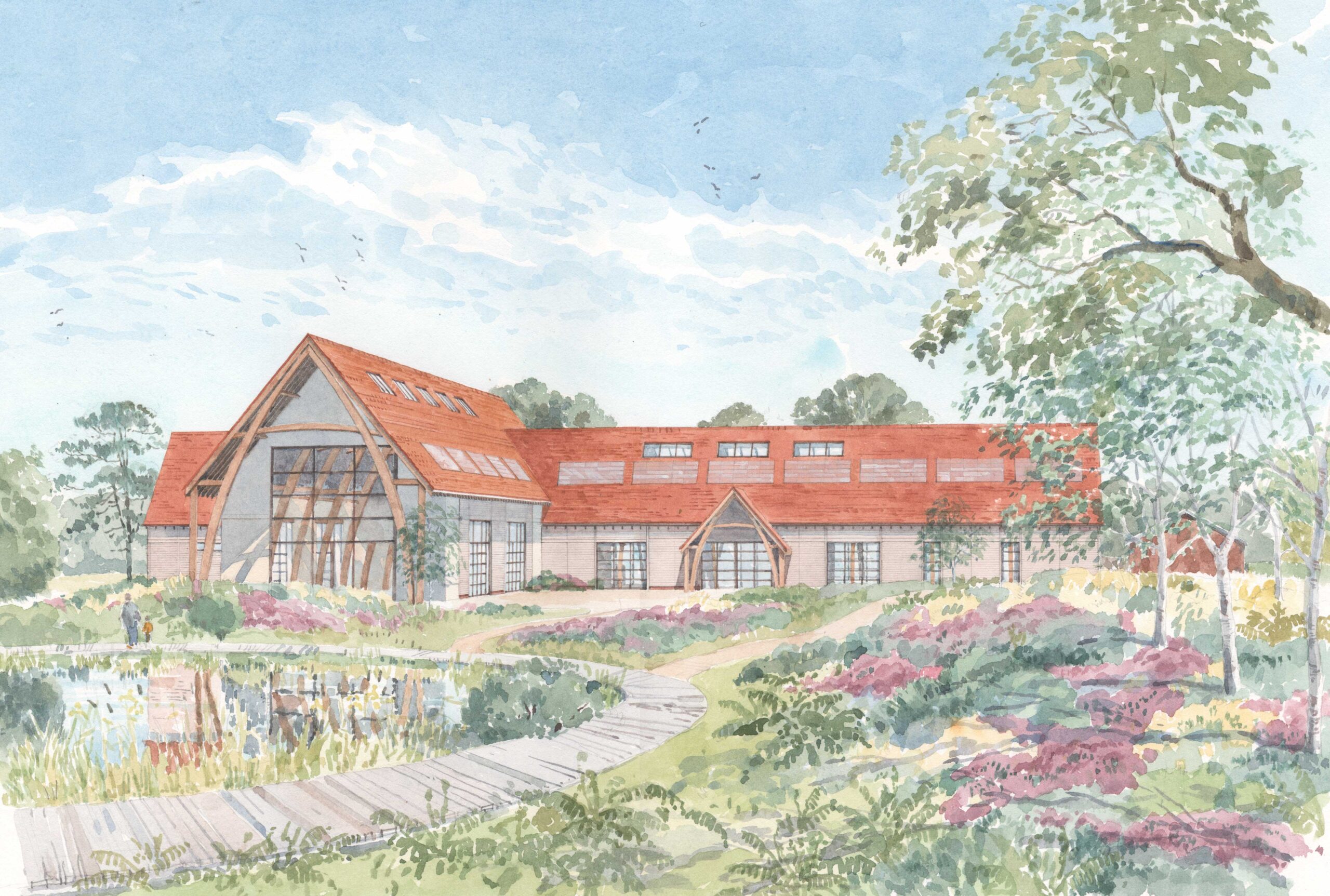
Yes. Contemporary design can work very successfully in traditional or rural contexts when approached sensitively. We focus on scale, materials, proportion, and landscape integration to create modern homes that complement rather than compete with their surroundings.
Do you stay involved during the construction phase?
Yes. We remain involved from concept through to construction, working closely with contractors and consultants. This continuity ensures design intent is maintained, technical decisions align with the original vision, and the finished home reflects the quality expected.