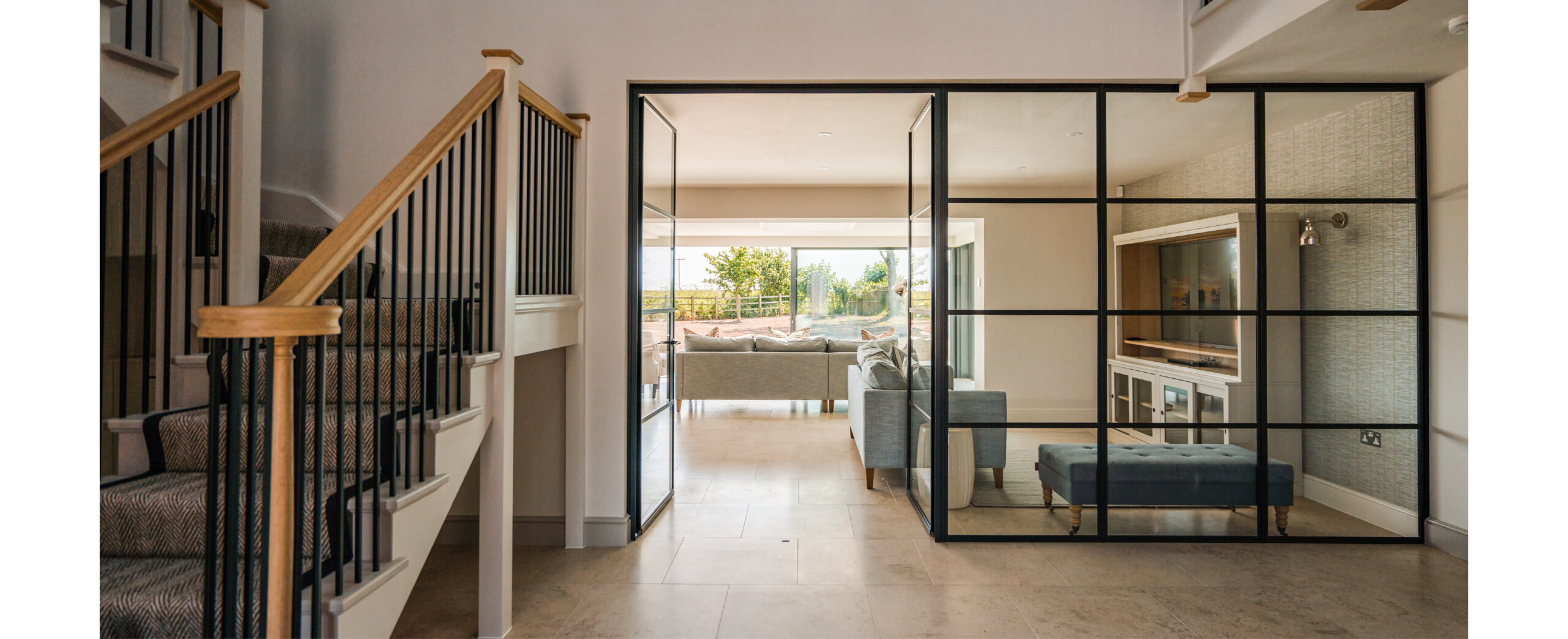

Designing with Nature: Incorporating Sustainability in Every Project
Sustainable design is essential in creating modern architecture. As the effects of climate change become increasingly visible, architects and designers are even more aware of how buildings interact with their surroundings.
From the way sites are chosen to the materials used and the energy systems integrated; sustainable design focuses on creating spaces that meet human needs without negatively impacting the environment.
Here, we explore how sustainability can be incorporated into every stage of a project and how these choices benefit both the environment and local communities.
Sustainable site selection
Sustainable design begins long before construction starts, and your choice of site has one of the greatest impacts on your project’s environmental footprint.
When choosing a location, responsible architects look for ways to reduce disruption to ecosystems and existing communities. For example, reusing previously developed sites avoids destroying untouched habitats, and opting for a site close to public transport, cycle paths, and walkable amenities reduces dependence on cars.
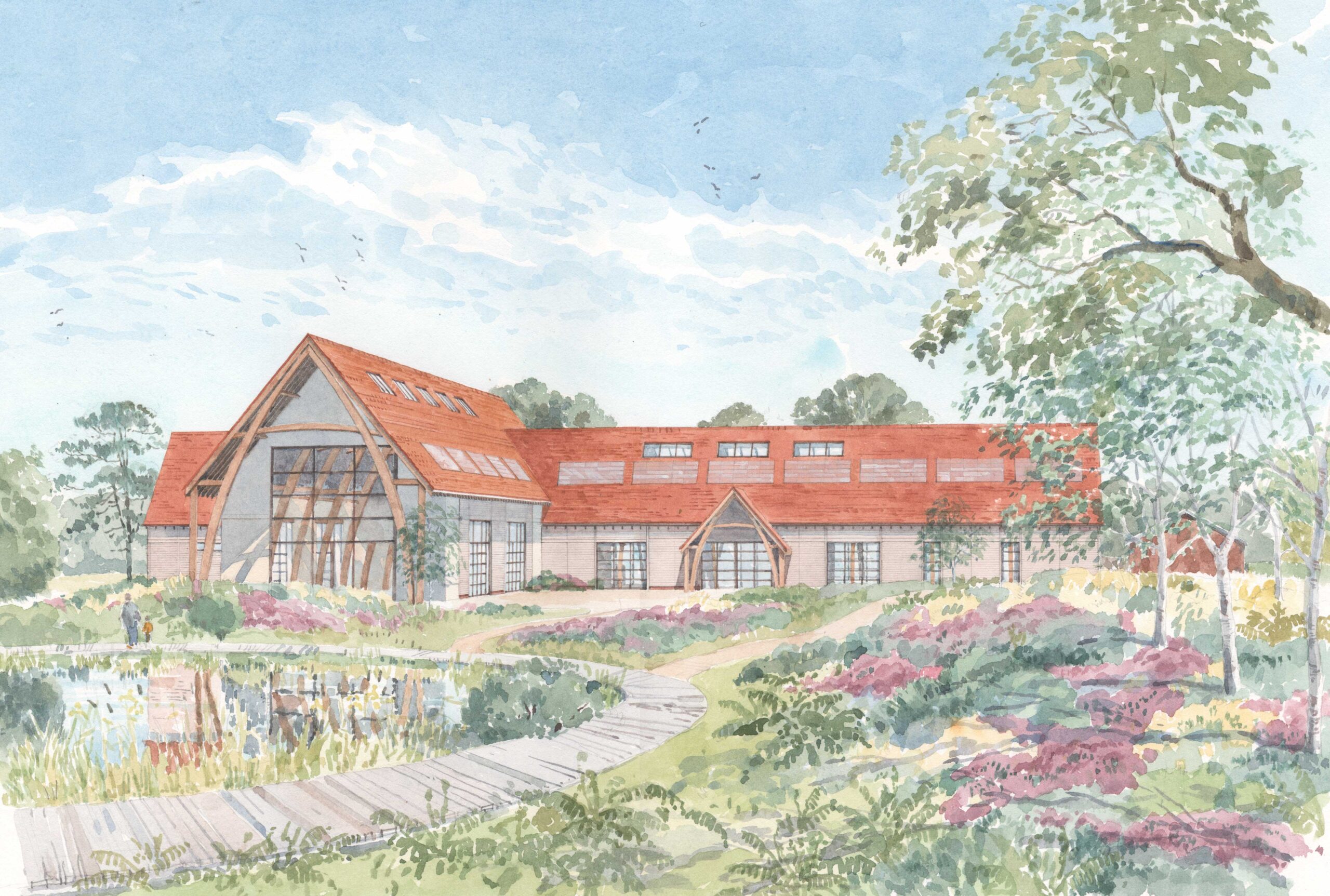
Good site planning also respects natural water flow and vegetation. Preserving trees, planting local species, and using permeable surfaces help manage rainwater, reducing flood risk and supporting biodiversity.
Sustainable materials and construction
The materials used in construction also play an important part in a project’s environmental impact, and sustainable architecture focuses on reducing the emissions produced in manufacturing, transporting, and assembling materials.
Architects are increasingly using renewable, recycled, or low-impact materials, such as:
- Timber from certified sustainable forests
- Recycled steel and aluminium
- Bamboo
- Natural insulation materials, such as sheep’s wool, cork, or hemp
In addition to material selection, modular and prefabricated construction methods reduce waste, improve precision, and shorten build times. Onsite recycling systems ensure any remaining waste materials are sorted and reused where possible.
Efficiency and renewable power
Energy efficiency is essential to sustainable architecture. By designing buildings that use less energy to heat, cool, and operate, architects can cut emissions and costs.
Ways this can be achieved include:
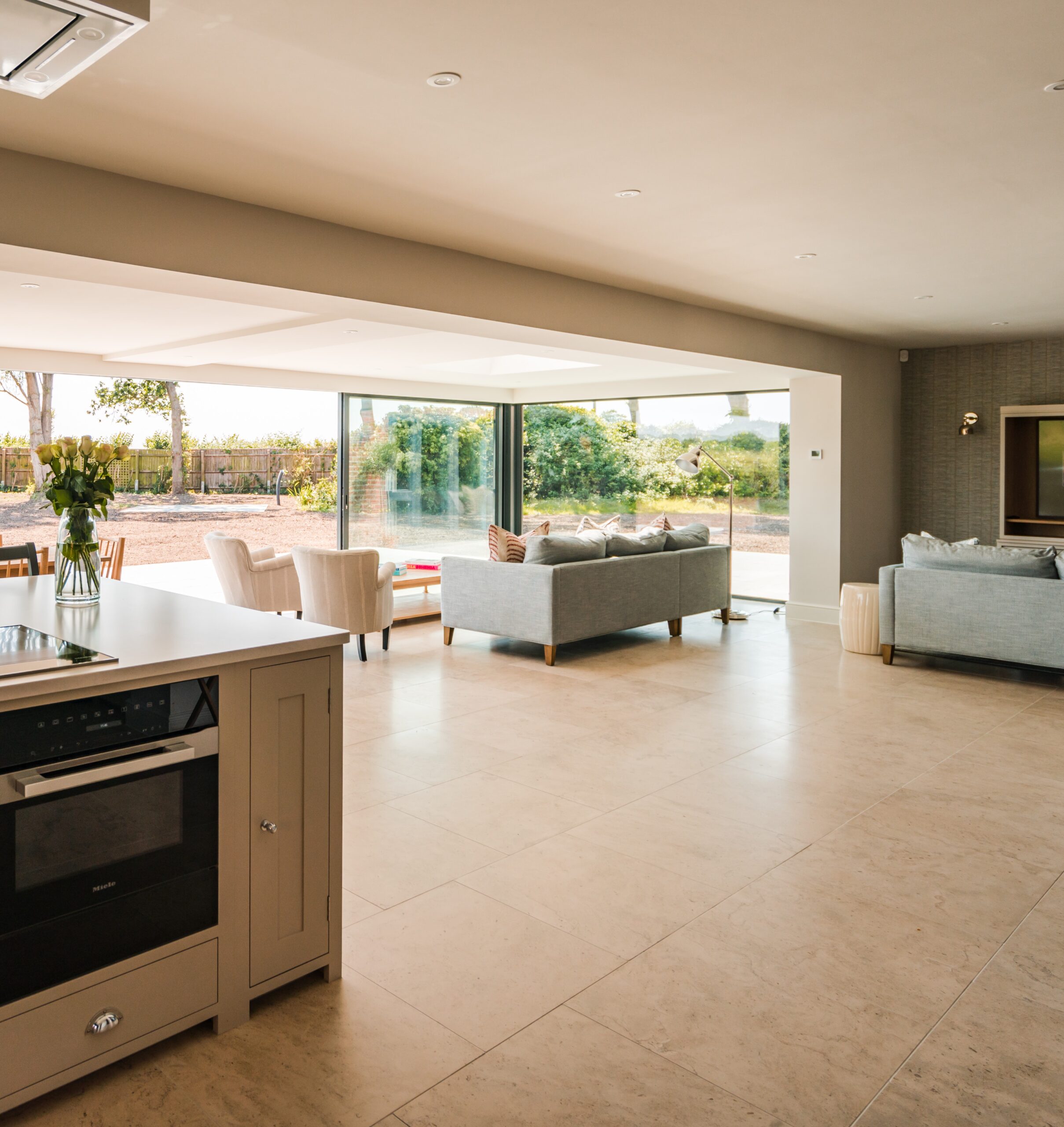
- Maximising natural light through strategic window placement
- Using materials that absorb and release heat slowly to stabilise indoor temperatures
- Installing windows that allow for natural ventilation
When combined with high-quality insulation, airtight construction, and advanced glazing, buildings can maintain comfortable temperatures with minimal energy use.
Many sustainable projects also incorporate renewable energy systems, such as:
- Solar panels for electricity and hot water
- Ground- or air-source heat pumps for efficient heating and cooling
- Smart systems that monitor and optimise energy use in real time
Designing for water efficiency and climate resilience
Modern sustainable design also pays close attention to water management. Techniques include:
- Rainwater harvesting systems to collect and reuse water
- Low-flow fixtures and efficient plumbing to reduce water waste
- Green roofs and permeable paving to collect rainfall and reduce runoff
In areas prone to flooding, architects can improve structures to allow water to move naturally without causing damage.
The role of landscape and biodiversity
Sustainable landscape architecture changes outdoor areas into living systems that support both people and wildlife. Planting vegetation, installing green roofs, and creating pollinator gardens can help to restore ecological balance. Trees provide shade and absorb carbon dioxide, while vegetation improves air quality.
Community and social sustainability
Community gardens and shared outdoor spaces also boost sustainability and help build local communities through supporting interaction, encouraging physical activity, and improving wellbeing. A project that supports both environmental and social health is one that truly incorporates sustainable design.
Buildings designed with social sustainability in mind should include:
- Access to natural light and ventilation
- Flexible spaces that can change with community needs
- Inclusive design, ensuring accessibility for all ages and lifestyles
When communities are engaged in the design process, projects are more likely to reflect local values and succeed.
When architects, engineers, and communities work together to design with nature, every project, no matter how small, can contribute to a more sustainable future. At Williams Lester, we specialise in sustainable design, ensuring projects are completed with nature in mind. Contact us today to find out more.