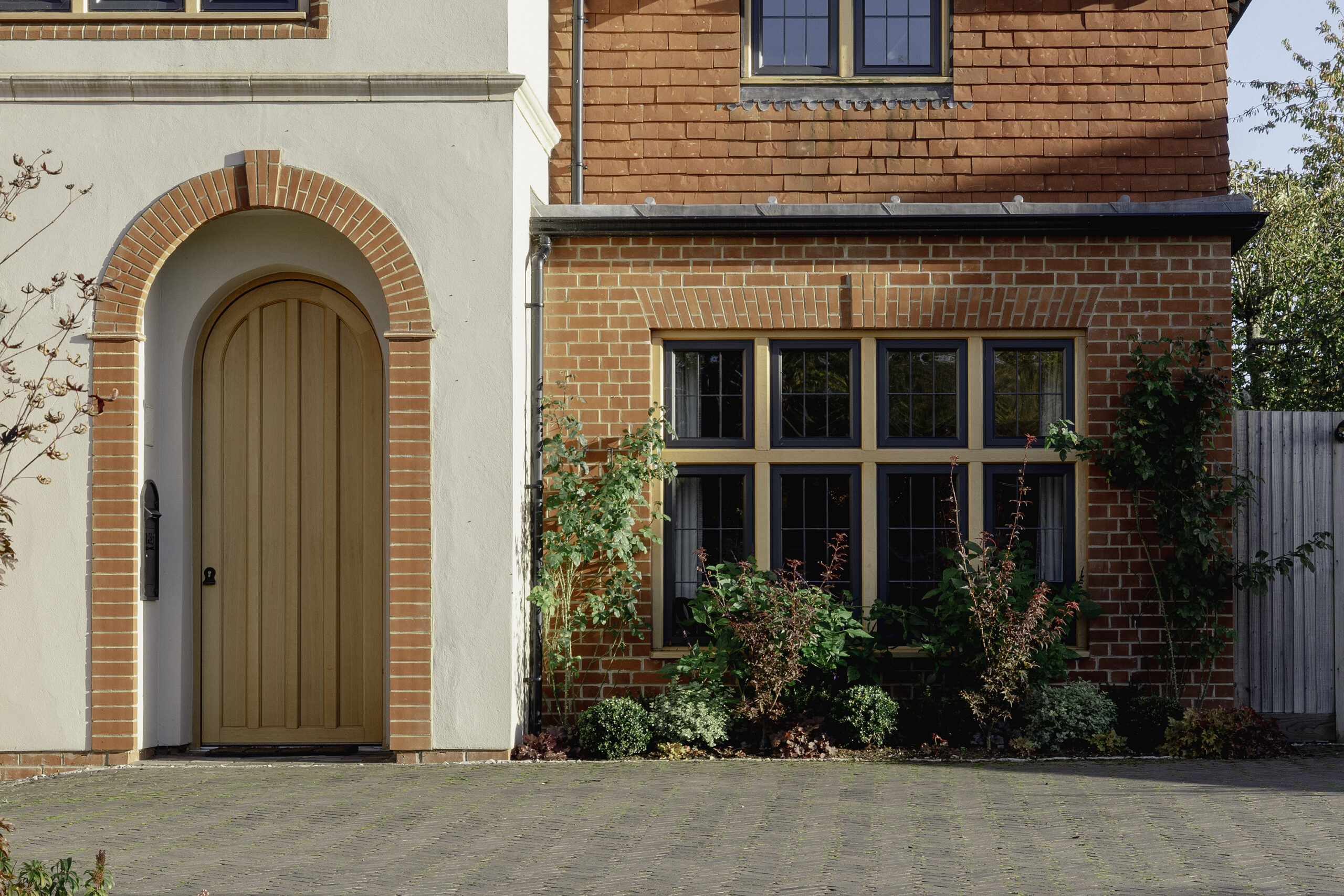

Futureproofing Your Home: Extensions That Adapt as Needs Change
It’s important that homes can adapt as families grow, new working patterns are introduced, and lifestyles change, as what suits you now may feel restrictive or frustrating in 10 years’ time. This is why futureproofing is important to consider when planning a property extension.
Home extensions are increasingly seen as long-term investments rather than short-term solutions, and thoughtfully designed extensions allow homeowners to adapt their living spaces over time, accommodating new requirements without compromising comfort, character, or value.
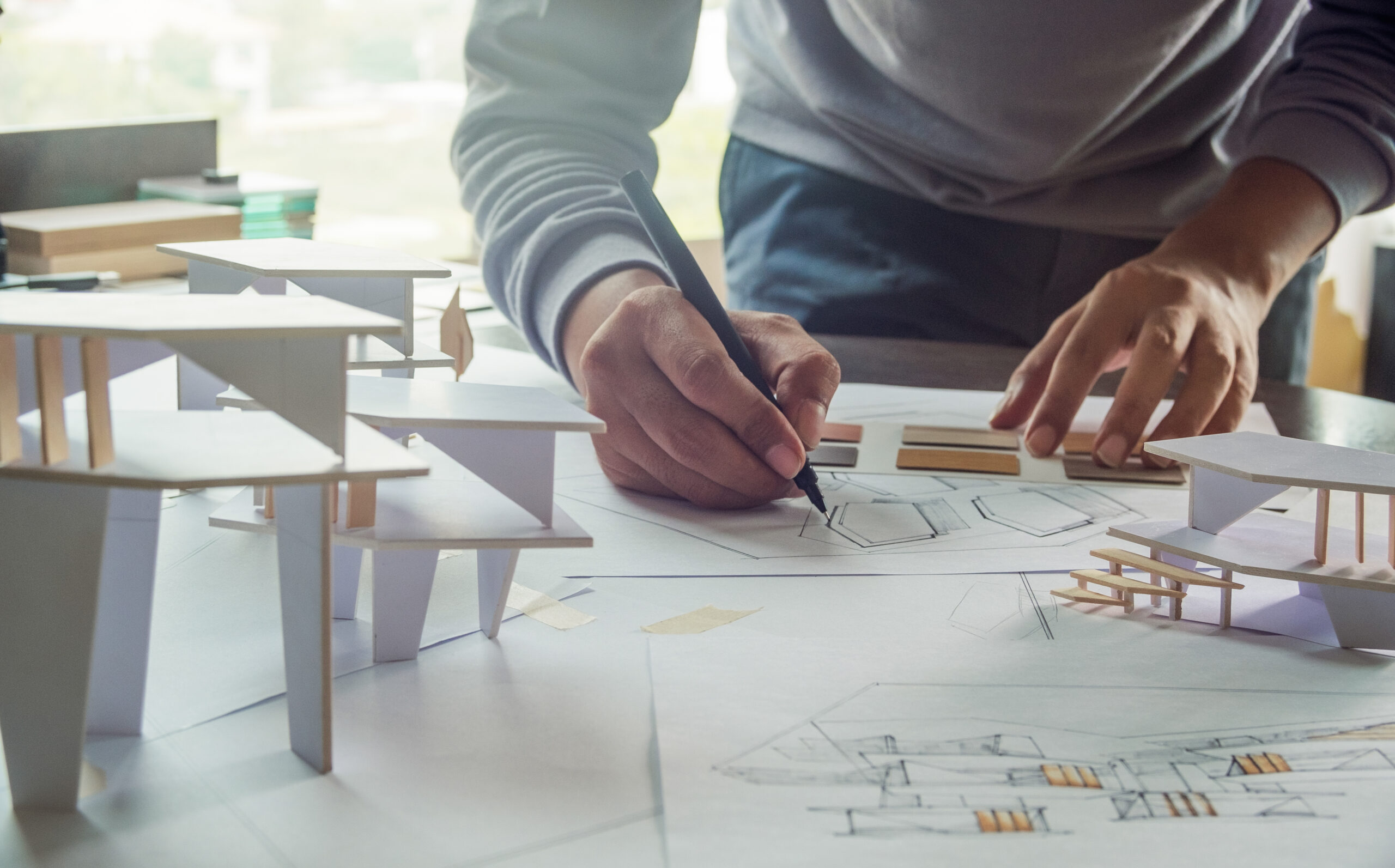
At Williams Lester Architects, futureproofing is an important part of our design process, ensuring home extensions are both immediately enjoyable and capable of evolving alongside the people who live there.
Designing for change
The most successful home extensions are planned with the future in mind. Rather than designing rooms with a single purpose, future proofed extensions focus on providing flexibility. For example, a playroom might later become a home office, or a spare bedroom may change into a hobby room.
This approach requires careful planning. By considering how walls could be reconfigured, how spaces connect, and where natural light enters, architects can create layouts that can be flexible without major structural changes.
Flexible layouts for growing families
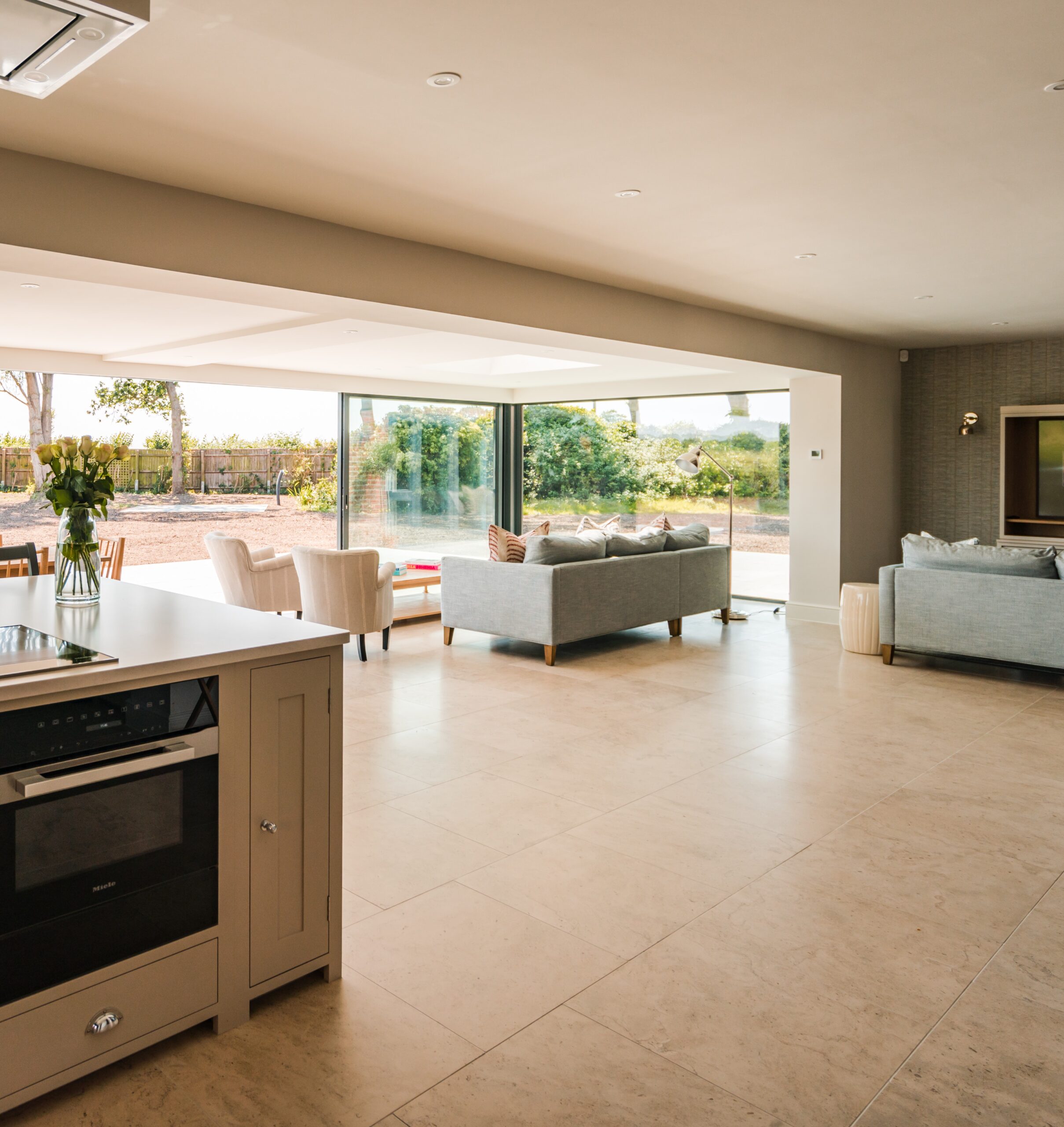
For young families, extensions often focus on creating more communal space, such as open-plan kitchens, dining areas, and family rooms where they can spend quality time together. However, as children grow older, the need for privacy increases. Designing extensions with zoning in mind means spaces can be easily divided or repurposed in the future.
Sliding partitions and dual-aspect rooms allow homeowners to move between open and closed layouts as required. Structural planning that avoids unnecessary load-bearing walls internally makes future changes far easier, extending the lifespan of the original extension design.
Supporting evolving work-from-home needs
Remote and hybrid working have changed how many homes are used. These days, house extensions often include dedicated workspaces, but futureproofing ensures these areas don’t become redundant if working patterns change and the homeowner heads back into the office.
A well-designed home office can double as a guest bedroom, hobby room, or quiet living space. Thoughtful placement of electrics and storage ensures a home office can be functional without sacrificing comfort. Williams Lester Architects carefully integrate these elements, so workspaces complement the rest of the home.
Preparing for multi-generational living
As housing needs change, many homeowners are considering how their property might house parents, children, and grandchildren under one roof. Extensions can provide independent yet connected living arrangements, allowing families to stay close while enjoying privacy.
Popular options include ground floor bedrooms, self-contained annexes, and flexible living spaces that can be closed off or opened up as needed. When planning for multi-generational living, consider access, sound insulation, and independent services which allow rooms to function as separate spaces if required while still feeling like they’re part of the main home.
Accessibility
Futureproofing also means designing homes that remain comfortable and accessible as homeowners age, and house extensions provide an opportunity to introduce features that improve accessibility without compromising aesthetics.
Level thresholds, wider doorways, and adaptable bathrooms can be subtly incorporated into contemporary designs. By planning for these accessibility features early, homeowners avoid the need for disruptive and costly adaptations later in life, enabling them to remain in their homes as they age.
Adaptable services and infrastructure
Electrical, plumbing, and heating systems must also support future change when planning a home extension. Designing extensions with accessible service routes and adaptable lighting means spaces can evolve without major disruption.
Underfloor heating, zoned temperature control, and layered lighting systems support a variety of uses while enhancing comfort and energy efficiency. These hidden elements play an important role in ensuring an extension remains functional and relevant.
Sustainability as a long-term strategy
A future-proof extension is also a sustainable option. Designing spaces that can evolve with those who live there reduces the likelihood of further construction, lowering long-term environmental impact. Excellent insulation, efficient glazing, and smart design strategies improve comfort while reducing energy use.
Longevity sits at the centre of sustainable design. When a space can adapt to changing needs over decades, it delivers far greater value than a short-lived solution.
Extensions as long-term investments
Beyond lifestyle benefits, adaptable extensions are an excellent investment. Properties that offer flexible layouts, home working potential, and accessibility appeal to a wider range of future buyers. Thoughtful design adds resilience to market changes, ensuring the home remains desirable as trends change.
Rather than responding reactively to change, future-proofed extensions allow homeowners to move forward with confidence, knowing their home can evolve with them.
Designing homes that grow with you
Futureproofing recognises that life is unpredictable, but good design can provide stability and adaptability. Through bespoke extensions that balance flexibility, functionality, and architectural quality, Williams Lester Architects help homeowners create spaces that work beautifully today and remain relevant for years to come. Contact us today to find out how we can help you plan and design a future-proof home extension that grows with you.
Future-proof home extension FAQs
What is a future-proof home extension?
A future-proof home extension is designed to evolve with changing needs over time, such as growing families, home working, accessibility requirements, or multi-generational living.
How can a home extension add long-term value?
Well-designed home extensions increase space, improve flexibility, and appeal to a wider range of buyers, making them an excellent investment.
Can an extension be designed for multiple uses?
Flexible layouts allow spaces to function as living areas, home offices, guest rooms, or annexes, depending on your requirements at the time.
How do architects future-proof home extensions?
Architects plan adaptable layouts, minimise internal load-bearing walls, future-proof services, and ensure good natural light so spaces can change alongside the homeowner’s lifestyle.
Can an extension support working from home?
A house extension can include separated workspaces, integrated storage, and flexible layouts that adapt if homeworking needs change.
What is a multi-generational home extension?
A multi-generational home extension is an extension designed to accommodate multiple generations, often including private living areas or annexes while remaining connected to the rest of the house.
Is it more cost-effective to future-proof an extension from the start?
Yes. Planning for flexibility early reduces the need for expensive alterations later and helps the extension remain functional for years to come.