
AI in Architecture: Balancing Innovation with Accuracy, Security & Transparency
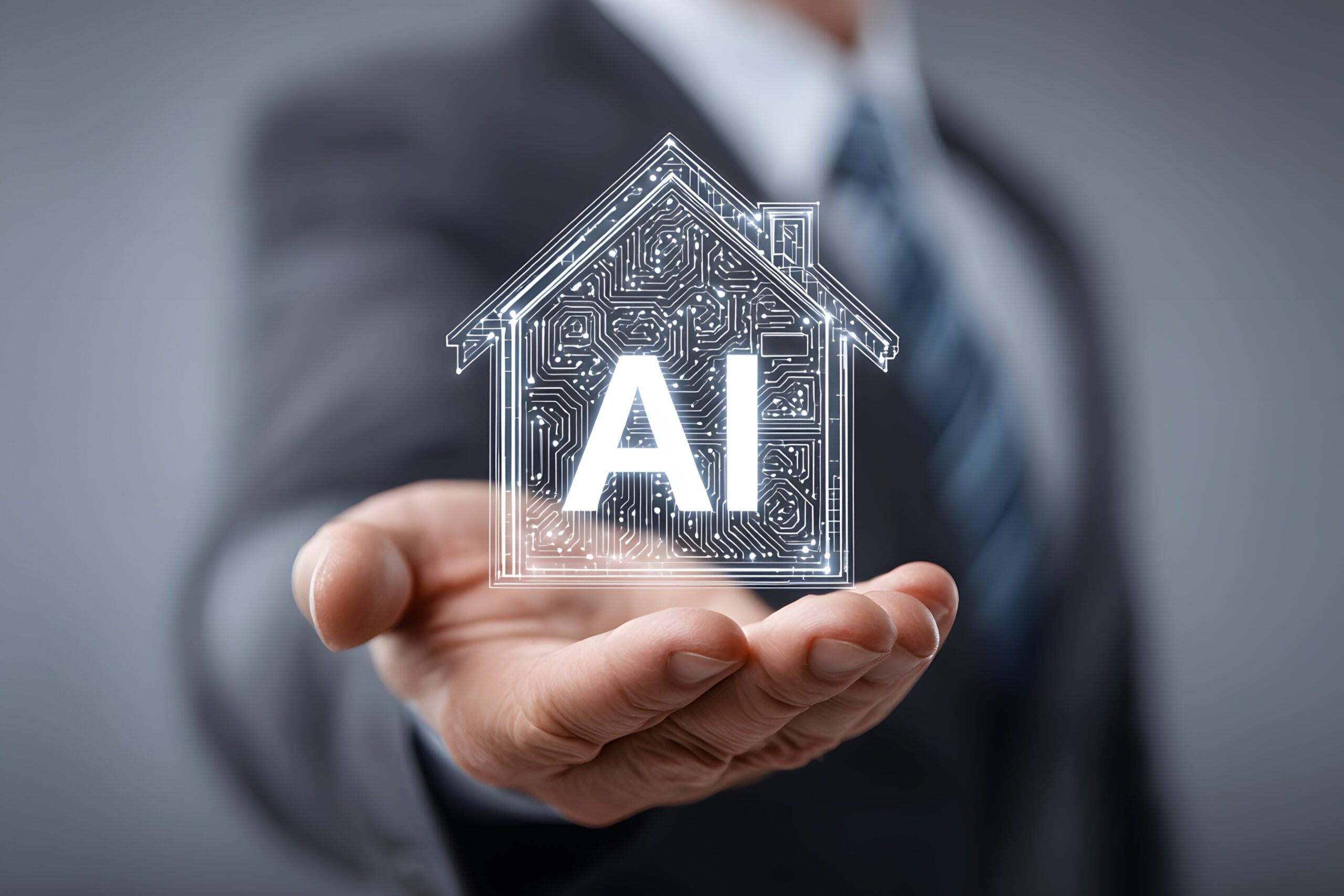
Artificial Intelligence is changing many industries and architecture is no exception. From automating repetitive tasks to improving how we analyse data, AI has the potential to change how buildings are designed, built, and maintained. While it brings exciting possibilities in the world of architecture, AI also introduces some important questions. In an industry where accuracy, security, and transparency are essential, architects need to find the right balance between embracing innovation and maintaining professional and ethical standards.
In this article, we discuss how AI can support architects, especially by freeing up valuable design time, while also recognising its disadvantages.
AI and modern architecture
AI isn’t here to take over from architects, it’s here to support and enhance their work. Some tools now use AI to generate design options based on things like local planning rules, environmental factors, and building regulations. They can evaluate hundreds of layouts in minutes, giving architects an advantage when identifying early opportunities or potential risks.
However, these AI outputs are just a starting point and aren’t a substitute for an architect’s creativity, experience, and ability to design with people in mind. AI should act as a helpful tool that informs decision-making, not one that makes the decisions for architects.
Freeing up time to focus on design
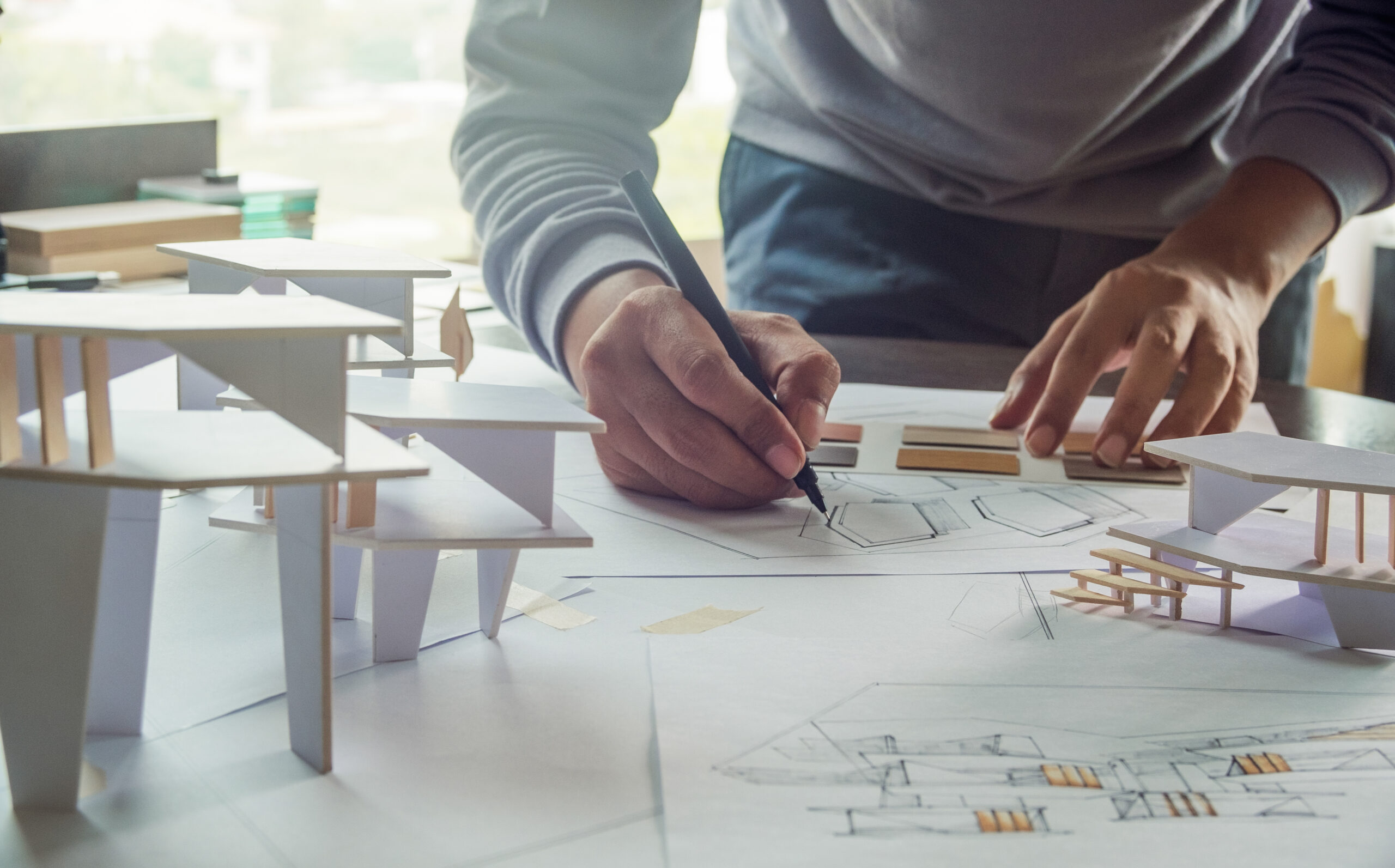
One of the biggest benefits AI offers is helping architects use their time more efficiently. Many daily tasks, like document management, compliance checks, and producing schedules, are time-consuming but necessary. AI can automate much of this, allowing designers to spend more time focusing on creative, purposeful work.
Some practical examples include:
- Generative design tools that test different spatial arrangements quickly, helping speed up the concept stage
- Natural language processing that scans and interprets large volumes of regulations, flagging up potential compliance issues
- AI-driven energy modelling that can predict environmental performance
- Automating the technical or repetitive parts of a project, giving architects more time to do what they’re best at
By handling the more mechanical side of the process, AI gives architects the freedom to reconnect with the heart of their work: creativity.
Why AI can’t replace human-centred design
Even with its impressive capabilities, AI lacks a human touch. It doesn’t have emotional intelligence, cultural awareness, or empathy, all of which are essential in great architecture. Buildings are more than just efficient spaces; they reflect identity, history, and community.
An AI-generated layout might create something that ticks all the boxes in terms of regulations, but it won’t consider how people feel in that space. It won’t understand how a building fits into its surroundings or what role it plays in a community.
For example, when designing a community centre, it’s not just about how many rooms there are or how energy-efficient the building is, it’s about creating a place where people gather, connect, and feel a sense of belonging. These kinds of design decisions require empathy, vision, and experience, which are qualities that only a human designer can bring.
Getting the details right
AI is great at handling large amounts of data quickly. This makes it incredibly useful for tasks that rely on accuracy, like cost estimates, material tracking, and detecting issues in building models. When trained on the right data, AI tools can help reduce errors and avoid delays in construction.
Having the right data is integral in maintaining accuracy. If the information used to train an AI tool is outdated, incomplete, or biased, it can lead to serious issues. For instance, an AI-generated design could include a structural problem or overlook an important regulation, problems that might not be spotted until much later in the project.
That’s why it’s essential that architects and project teams always review and verify AI outputs. Technology can be helpful, but only when used with professional judgement.
Protecting data and ensuring security
As architecture becomes more digital, questions around data security and ownership are becoming increasingly important. When AI tools work with sensitive information, like client data or site plans, there’s a risk that this information could be misused or shared without consent.
Some AI platforms use designs submitted by users to train their algorithms, sometimes without making this clear. This raises concerns about intellectual property rights and confidentiality.
To stay protected, architects need to:
- Carefully review the terms of any software or AI tools they use
- Choose secure platforms that follow strong data protection rules
- Avoid uploading client or project data to third-party systems unless proper agreements are in place
Addressing AI bias and ensuring ethical design
AI systems are shaped by the data they’re trained on, and this means they can carry biases. If a design tool is built using mostly Western, urban building types, its suggestions may not work well in rural or culturally diverse contexts. This can result in designs that ignore local traditions, materials, or climate needs.
To ensure fairness and inclusivity, AI in architecture should:
- Be trained on a diverse and representative dataset
- Allow room for human judgment and cultural context
- Involve local voices and stakeholders in the process
When used without these checks in place, AI can create architecture that feels generic or out of place with buildings that are efficient but lack meaning.
Working together
The future of architecture isn’t about choosing between humans or AI. It’s about partnership. The best outcomes will come from a collaborative approach, where architects lead with their expertise and AI supports with speed and precision.
AI is already playing a growing role in architecture, and when used responsibly, it can bring major benefits. It helps free up time, reduce errors, and explore new possibilities. However, it should always be guided by architects who understand the emotional, cultural, and functional aspects of design.
At Williams Lester, we believe in embracing innovation thoughtfully. By prioritising accuracy, security, and transparency, we ensure that technology enhances our work without compromising on the values that matter most.
Contact us today to find out more about our architectural services.