
Listed Buildings and Planning Permission: A Complete Survival Guide
Listed buildings are an important part of the UK’s history and are preserved for their unique culture and heritage. For this reason, it can be challenging for developers and homeowners to make changes to listed buildings and within their settings, and any works will need to be approved.
In this guide to listed buildings and planning permission, we discuss what listed buildings are, why they’re so carefully protected, common challenges, tips for receiving approval, and some common mistakes to avoid when applying for Listed Building Consent.
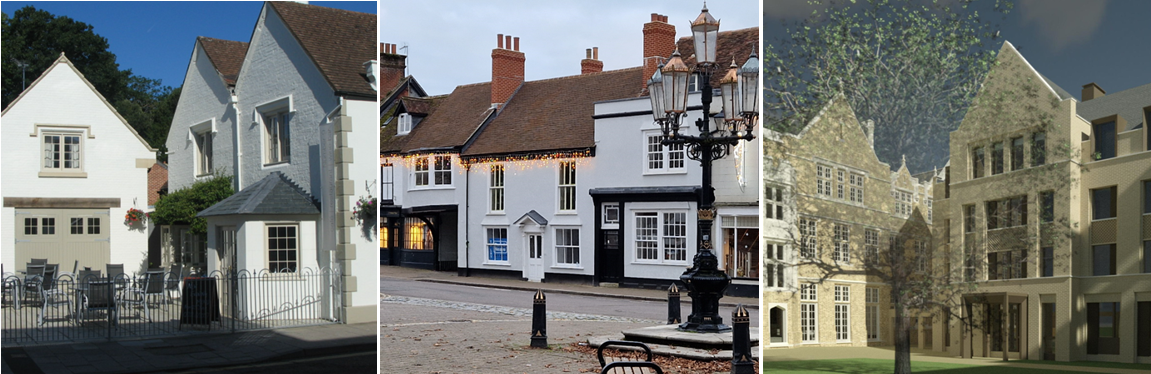
What is a listed building?
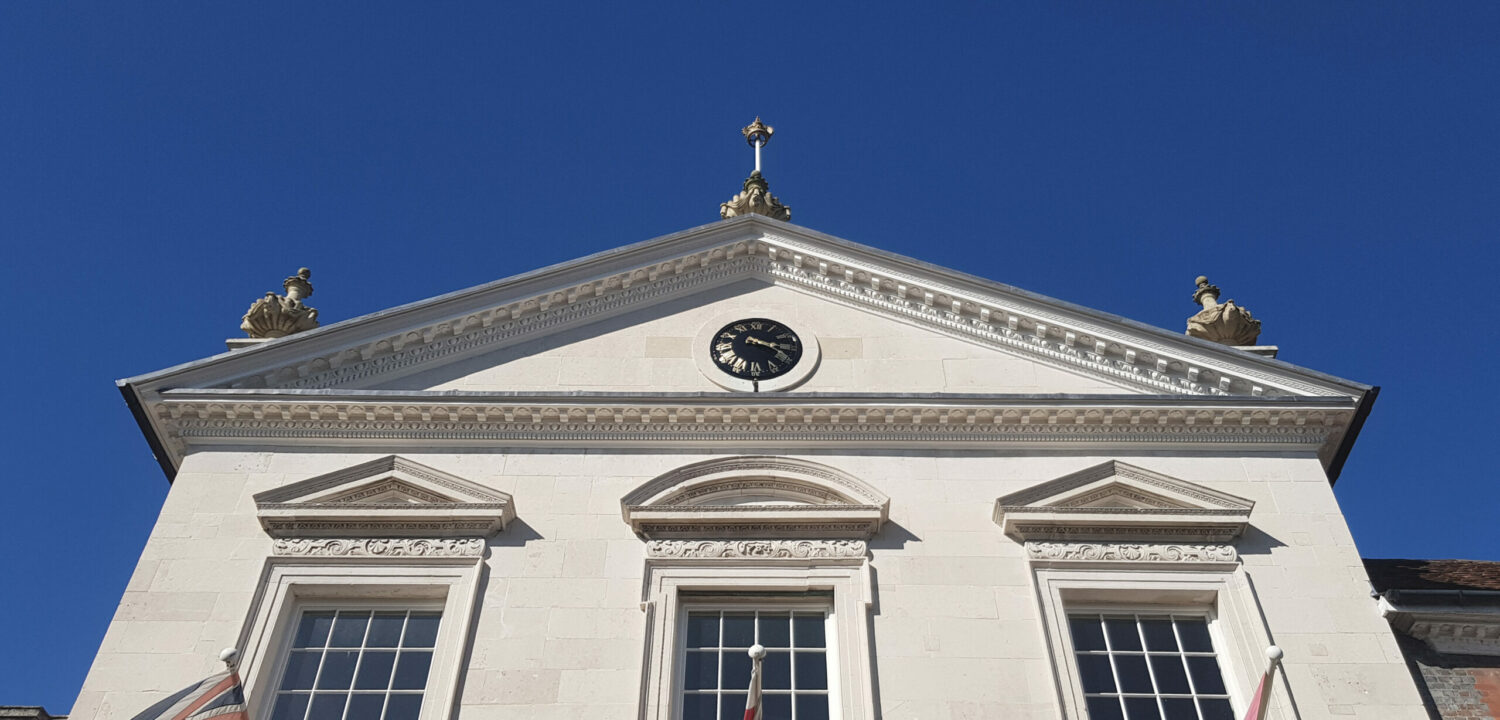
A listed building is a structure on the Statutory List of Buildings of Special Architectural or Historic Interest. Buildings are listed to protect UK heritage through preserving culturally important structures.
Listed status means the building is legally protected from being demolished, extended, or altered without special permission. This status covers the whole building inside and out, and can include associated buildings, walls, and other features. It also covers development or alterations within the curtilage (boundary) or ‘setting’ of a heritage asset, which may also be refused if they are deemed to cause ‘harm’ to the relevant listed building. This may be for reasons of design, scale, relationship with other surrounding buildings, for instance.
You need Listed Building Consent for any work that affects a listed building’s character, even for changes you’d like to make to the interior. (It is commonly misunderstood that on Grade II listed buildings, it is only the exterior that is protected. This is not the case!!).
Grades of listing
There are three different grades of listing, these are:
- Grade I – Buildings of exceptional interest (about 2.5% of listed buildings) e.g. Buckingham Palace
- Grade II* – Important buildings of more than special interest (about 5.5% of listed buildings) e.g. London’s Coliseum Theatre
- Grade II – Buildings of special interest (about 92% of listed buildings) e.g. Victorian townhouses
Why are listed buildings protected?
Buildings can be listed for a number of reasons, including:
- Historical significance – Listed buildings are often linked to important people, events, or periods in history. Preserving them helps tell the story of the UK’s development.
- Architectural importance – Listed buildings may boast unusual examples of design, construction methods, or craftsmanship. They may have been created by important architects or feature materials and styles no longer used.
- Prevent permanent loss – Without legal protection, important buildings could be altered beyond recognition or destroyed, resulting in a permanent loss of history and heritage.
- Listed Buildings can be protected for their group value – in addition to being a heritage asset in their own right. For instance, a house might form a part of a historic terrace…
When and why you need planning permission or listed building consent
Planning permission and Listed Building Consent are required in different situations, but they can overlap, especially when dealing with protected buildings.
Planning permission is typically needed when building something new, making major alterations, changing the use of a building, or making significant changes to a building’s exterior. This is to ensure that alternations fit with the aesthetic of the local area, are in line with planning policy, and won’t negatively impact neighbours or the environment.
Listed Building Consent is required if you want to partially or fully demolish a listed building or make any internal or external changes that will affect its character. This could include moving internal walls, changing the windows, or adding an extension. Listed Building Consent ensures materials and design of the original building are protected, changes are reversible where possible, and that works are carried out using accepted techniques.
If you are in doubt as to whether changes you wish to make to your listed building will be acceptable it is often advisable to submit a pre-application to the local planning authority. This can save on abortive design costs being incurred when a wider planning application is negatively impacted. It can also provide advice on the supporting design details that are likely to be required. The charge for a pre-application for listed building consent is generally minimal (less than £100).
Common challenges developers and homeowners face
Working with listed buildings comes with several potential challenges for developers and homeowners. The most common hurdles include:
- Restrictions on alterations – Any changes that affect the building’s character need Listed Building Consent.
- Planning delays – Getting Listed Building Consent can be slow and complicated, even for small changes. On Grade I and II* buildings, Historic England are likely to be consulted.
- High costs – Repairs and restorations must be made on a ‘like for like’ basis, using traditional materials and methods, which can be very costly.
- Structural limitations – Many listed buildings have a fragile structure, making renovations risky and complex. This may necessitate additional supporting information, from structural engineers, for instance.
- Limitations on future use – It can be difficult to get permission to change the use of a listed building e.g. turning a residential property into a commercial property
How to apply for Listed Building Consent
There are six main steps to follow when applying for Listed Building Consent.
- Confirm the building is listed by consulting the Historic England list. The ‘list Entry’ will confirm the features of the building that are of greatest importance.
- Get pre-application advice on the scope of the proposals from the Local Planning Authority and its Conservation Officer. Request a meeting for additional reassurance.
- Prepare detailed plans, a heritage statement, and a detailed scope of the proposed works.
- Submit your application to your Local Planning Authority or via the Planning Portal
- Wait for a decision – this takes around 8 weeks on average.
- Your plans will either be approved or refused. Don’t start any work before you receive consent and you have discharged any pre-commencement conditions that may have been applied. Don’t go ahead with ANY changes if your plans are refused or if there are any undischarged pre-commencement conditions outstanding.
Tips for success
- Research the building’s history and why it’s listed
- Get early advice from your Local Conservation Officer and show your commitment to maintaining the building’s character
- Hire a RIBA accredited architect and discuss potential changes
- Prepare a thorough, honest heritage statement, following Historic England’s guidance – making sure an Assessment of Significance is included
- Include full, clear drawings and visuals to support your application
Mistakes to avoid
- Carrying out unauthorised work on a listed building – always get permission to avoid fines or prosecution
- Assuming that Listed Building Consent isn’t required for small changes – always check with your Local Conservation Officer
- Failing to submit a thorough Heritage Statement – missing this can lead to instant refusal
- Submitting inaccurate, low-quality plans
- Suggesting the wrong materials or techniques
With so many things to consider when making changes to a listed building, it’s important to get advice from professionals who can help.
At Williams Lester, we hold RIBA accreditation and can help you to apply for Listed Building Consent through providing a combination of design expertise, heritage sensitivity, and regulatory experience. We are also experienced in justifying and achieving new sustainable uses for redundant listed buildings. Contact us today to find out more and discuss your plans.