The Advantages of Hand-Drawn Presentation Techniques
In architectural design, the way a project is presented can be just as important as the design itself. Whether for planning approval or marketing purposes, at WLAWilliams Lester we believe that presentation style should always reflect the character and essence of the project. The chosen illustrative approach must communicate the architectural vision in a clear, sympathetic, and engaging way.
Finding the Right Style for Every Project
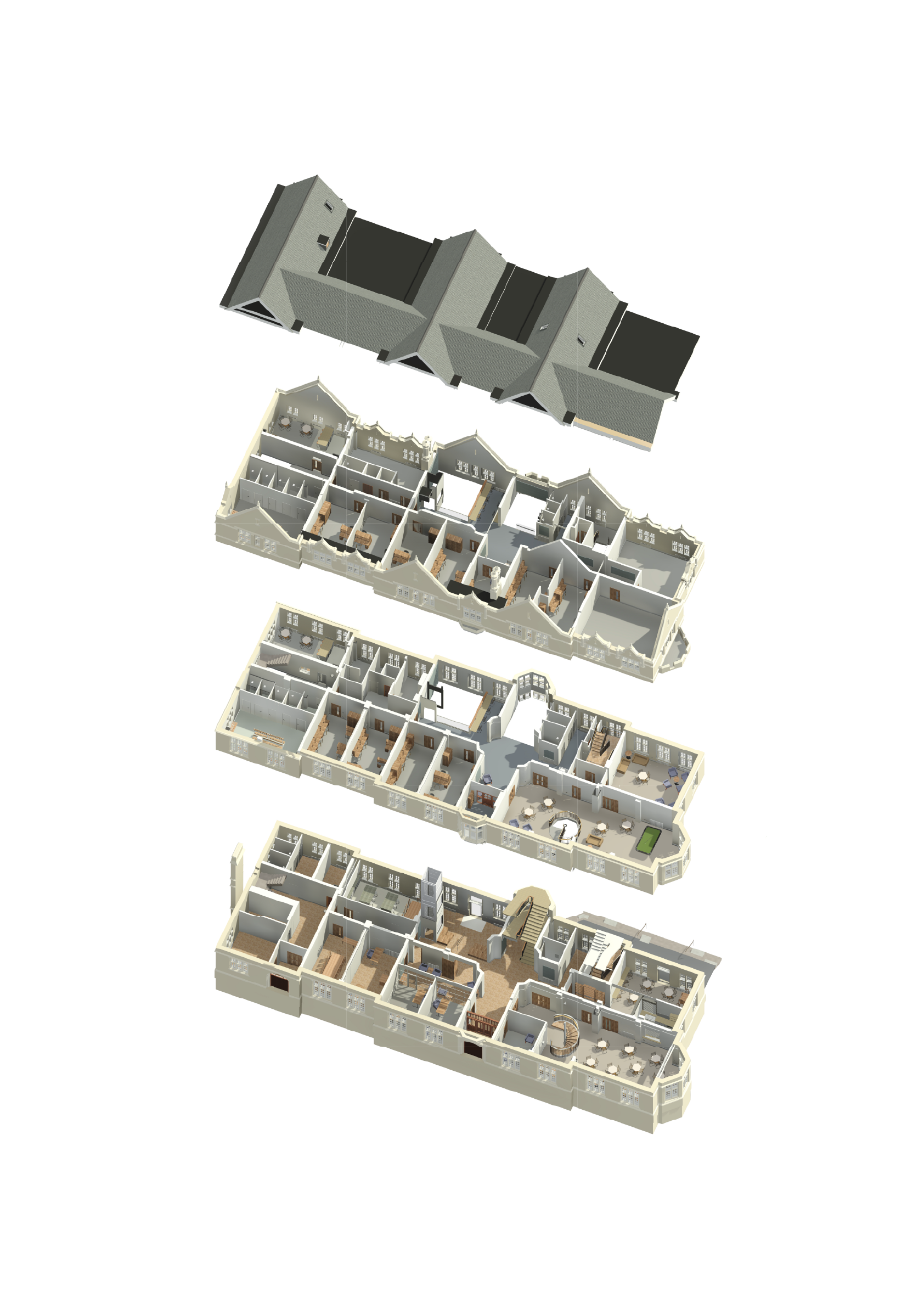
Since 2012, our practice has embraced 3D modelling as an integral part of our design process. It allows us to explore and communicate projects with precision from the earliest stages. However, we also recognise that the clean, crisp lines of CAD-generated images, while ideal for contemporary architecture, do not always convey the full spirit or warmth of every design.
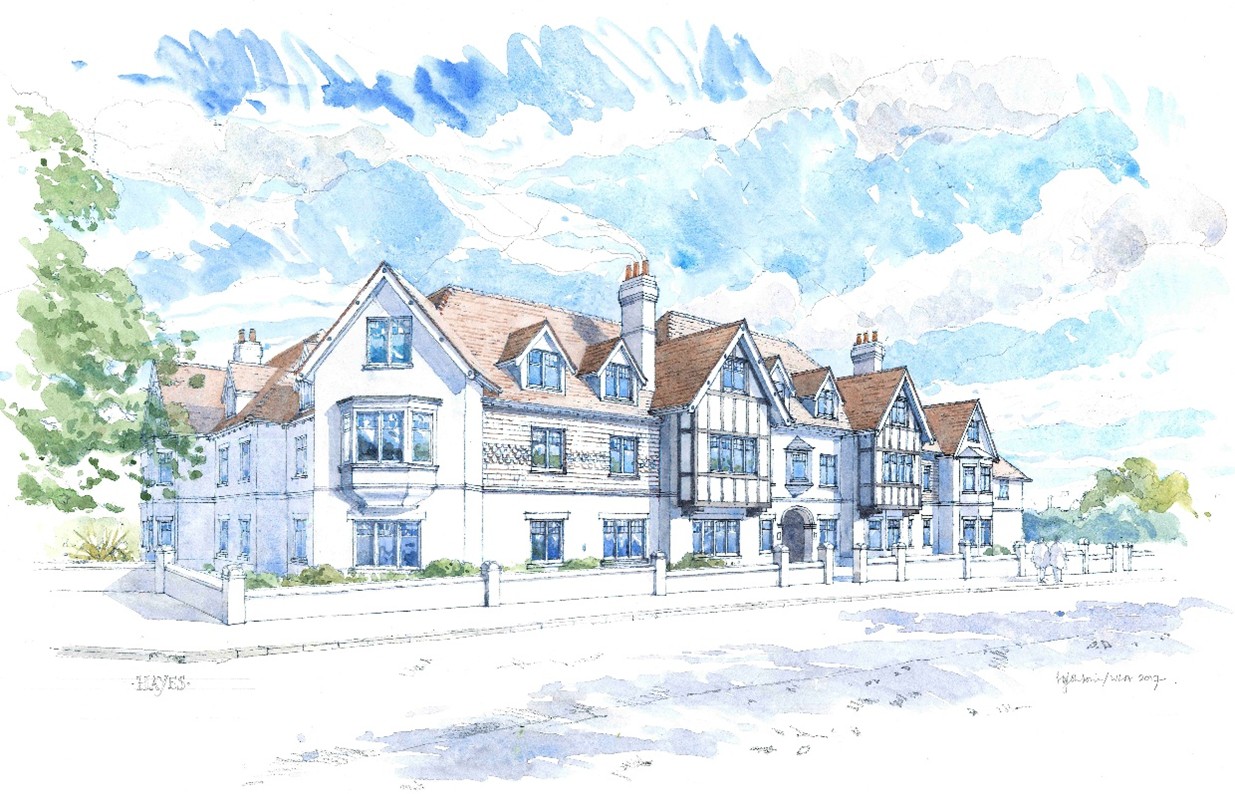
For certain schemes, particularly those with a traditional or vernacular character, hand-drawn presentation techniques can be far more effective. These softer, more expressive visuals often evoke the intended atmosphere and design intent more successfully than rigid digital models.
Encouraging Dialogue and Design Evolution
At the concept design stage, it is often preferable to maintain a sense of fluidity and openness. Hand-drawn visuals naturally encourage this flexibility, fostering constructive discussions with planners, clients, and other stakeholders.
When a polished CAD drawing is circulated too early, a design may appear fixed or imposed, which can lead to reactive or even negative feedback. In contrast, hand-rendered sketches suggest an evolving process, one that welcomes input and collaboration. This approach can help to build trust and consensus from the outset.
For this reason, we often use hand-drawing in master planning and early site plan work, where the goal is to focus attention on key ideas of style, massing, and character rather than premature detail.
A Softer Approach for Sensitive Contexts
The advantages of hand-drawn techniques extend into later stages of a project as well, particularly at the pre-application enquiry stage. When dealing with heritage sites, Conservation Areas, or the settings of listed buildings, traditional drawing methods can communicate sensitivity and respect for the context more effectively than digital alternatives.
Media such as pencil, ink, or watercolour allow subtle cues of materiality, texture, and relief to come through naturally, without demanding full design resolution. This can provide local consultees and planning authorities with reassurance that the proposal will sit harmoniously within its surroundings.
Balancing Technology and Craft
While digital technology remains a powerful and essential part of modern architectural practice, at WLA Williams Lester we continue to value the art of hand-drawing as a vital design and communication tool. Used appropriately, it not only enhances dialogue and understanding but also captures the unique character and intent of a scheme in a way that technology alone cannot.
Bring Your Vision to Life with Hand-Drawn Expertise
If you’re looking to bring your architectural vision to life with a presentation style that balances creativity, clarity, and context, WLAWilliams Lester can help. From early concept sketches to sensitive site plans, our hand-drawn techniques ensure your project communicates its character and intent effectively.
Contact us today to discuss how we can make your next project both visually compelling and planning-ready.