
New Year, New Space: Planning Your Home Extension in 2026
The start of a new year is a time when homeowners naturally reflect on how they live, what works in their homes, and what no longer fits their lifestyle. As we move into 2026, that common sense of renewal makes January the perfect time to start planning a home extension or re-modelling existing layout that doesn’t work for them. Not by immediately rushing into building work, but by thinking about and planning a space that will enhance your lifestyle.
For many households, wanting to re-configure existing accommodation or extend comes from a build-up of small frustrations, such as a kitchen that feels cramped during meals, a lack of space for working from home, or a living room that isn’t suitable for a growing family. The start of a new year offers perspective, allowing these ideas to be explored with purpose and in your own time.
Starting with reflection and intent
Before design drawings are produced or budgets are discussed, the most successful extensions begin with reflection. How do you use your home now, and how do you want to use it in the future? In 2026, homeowners are increasingly opting for areas that can be used for work, rest, and socialising as needs change.
Defining exactly what you’re looking for is an important first step in planning a home extension. You might be dreaming about a light-filled kitchen-diner for entertaining, a quiet home office for focused work, or a natural way to connect your indoor and outdoor spaces. Understanding why you’d like a home extension will help to shape your design decisions as the project progresses.
Assessing site potential
Every home has potential when it comes to planning an extension, but it isn’t always obvious. One of the earliest stages of planning an extension is understanding what your site can realistically accommodate. This includes considering plot size, orientation, neighbouring properties and building constraints.
An experienced architect will look beyond the space available. They’ll assess how natural light moves across the site, where views can be enhanced or screened, and how an extension can sit seamlessly within its surroundings. Sometimes the most successful home extensions aren’t the largest, but the most perfectly positioned.
The start of a new year is a great time to contact an architect as it is a time of new beginnings, and an early start to a project allows time for careful analysis rather than rushed decisions.
Understanding planning considerations early
Understanding the complexities of planning regulations can feel daunting but addressing them early is one of the most effective ways to ensure a smooth project. In 2026, local authorities continue to place emphasis on context, sustainability, and impact on neighbours when it comes to planning home extensions.
Early discussions with an architect will help to identify whether a project may fall under permitted development or require full planning permission. You may own a listed building, but this doesn’t necessarily mean your dream home is unachievable. Whilst your proposals may require listed building consent, sensitive alteration or extension of your character home can dramatically enhance its heritage quality.
A good architect can save a lot of wasted time and money on a building project, , helping to identify constraints and opportunities such as height, proximity to boundaries, materials, and conservation constraints all influence what’s achievable. By understanding these potential hurdles from the outset, homeowners avoid costly redesigns and delays down the line.
Defining design priorities
Once the practicalities of your home extension are clear, you can start to think about the design phase. This is where an extension project moves from a conceptual idea to realising the space you’ve been dreaming of. Important considerations include how the extension will connect to and interact with your house, exploring and selecting materials, and how the extension will look both inside and out.
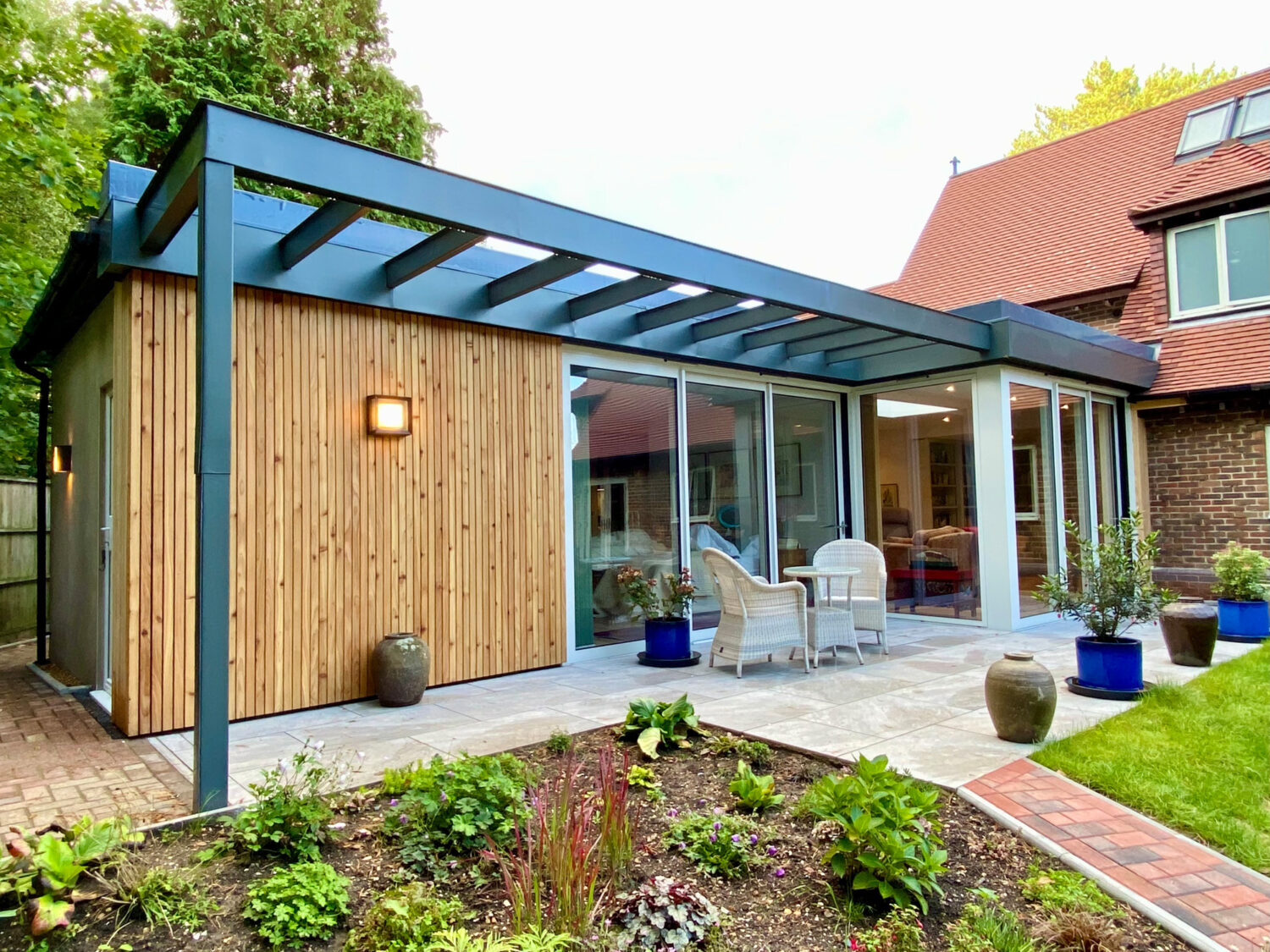
As an RIBA Chartered Practice, we focus on creating bespoke, context-sensitive designs. Rather than imposing a house style, we carefully consider the character of the existing property and its surroundings. For example, a contemporary extension might use clean lines and glazing to contrast with a period home, or it may draw more closely on traditional forms and details, found in the character of the original house.
The value of early planning
Homeowners who invest time in planning a home extension at the start of the year often experience smoother projects overall. Clear goals, realistic budgets and well-developed designs reduce uncertainty during construction and lead to better communication with contractors.
Careful planning also delivers long-term value. A well-designed extension doesn’t just add space, it enhances how the home functions, improves energy efficiency, and increases property value. These benefits are increased further when design decisions are made thoughtfully, rather than under pressure.
Inspiration from real homes
Some of the most successful projects begin with simple ideas. For example, a narrow side return can become a bright family kitchen through the introduction of skylights, or a modest rear extension can boost natural light by opening up views to the garden. In each example, the impact comes from understanding how design, light, and proportion work together.
Starting the conversation
The new year is not about committing to immediate construction; it’s about starting a conversation. Early engagement with an architect allows ideas to develop naturally, budgets to be discussed realistically, and possibilities to be explored without committing to any construction or technical design work. It may change how you think about your home and your extension, and by exploring concepts early there is then time to reflect and consider what you really want to do before jumping into the construction project
At Williams Lester Architects, we pride ourselves on delivering thoughtful, high-quality architecture with a personal touch. If 2026 is the year you want your home to work better for you, now is the time to begin planning your home extension with us.
Contact us today to find out how we can help bring your ideas to life.
Home extension FAQs
Why should I contact an architect for a home extension in January?
Contacting an architect about your home extension in January, during the quieter winter months, gives you space to develop concepts and ideas without time pressures or commitment, and means design development, planning permission, and tendering can all be progressed more efficiently than if you wait until you are ready to build before approaching the architect, , helping avoid delays later in the year.
Can an architect help reduce the cost of a home extension?
Yes. An architect can optimise layouts, materials, and construction methods to maximise value and avoid costly mistakes or changes during construction.
Do I need an architect for a home extension?
While not legally required, an RIBA chartered architect ensures your extension is well-designed, compliant with regulations, and adds long-term value to your home. RIBA chartered practices follow a code of conduct, carry insurances and have an obligation to continuous learning ensuring in you receive the best possible service, with your interests fully protected.
Can an architect design an extension that matches my home?
Yes. Architects specialise in designing extensions that complement the character of your home.
Do I need planning permission for a home extension?
Some extensions fall under permitted development, but others require planning permission. An architect can offer advice and manage the process.